
PROPOSAL FOR A FULLY CONTINUOUS 60TPD PLASTIC WASTE PYROLYSIS PLANT
The Akuesson Group Inc (TAG) – KYC
The Akuesson Group Inc (TAG) is an international consulting company specializing in Environment, Health, Computing, and Renewable Energy. Established in 2010, TAG operates in both the United States and Africa, with its headquarters at 229 South 7th Street, Newark, NJ 07103, USA.
The company is led by Mr. Adotey Akuesson, who holds a Master’s in Economics (Canada) and a Computer Engineering degree (USA). He previously worked with Citibank NA and collaborated with Mr. Michael Bloomberg during his tenure as Mayor of New York (2002–2013), contributing to the digitization of city records.
After more than 12 years serving New York City, Mr. Akuesson founded TAG in 2010 to focus on international health, environmental consulting, and sustainable forest management worldwide.
Environmental Expertise at The Akuesson Group
The Akuesson Group delivers comprehensive environmental consulting services, helping clients achieve financial gains through carbon credits from projects in waste management, electric mobility, renewable energy, and forest management.
Our services cover the entire carbon project lifecycle—from project identification to credit issuance and monetization.
With over a decade of global consulting experience, we have supported 100+ private and government organizations on impactful initiatives, including:
REDD Project on 145,000 ha in Congo
REDD Project in Moxico Province, Angola
Waste Plastic Pyrolysis Project in Congo
Waste Plastic Pyrolysis Project in Cameroon
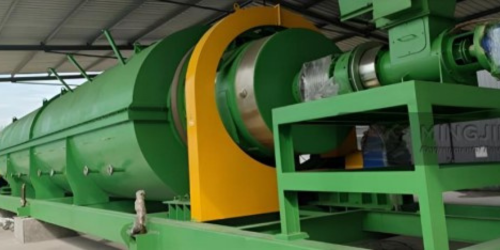
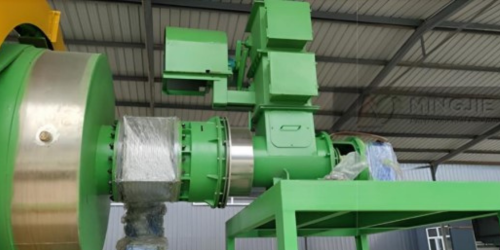
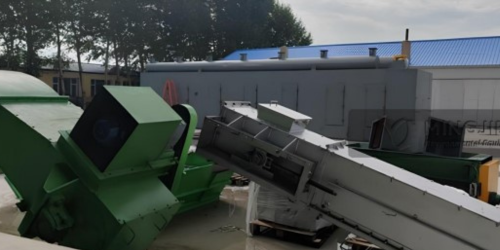
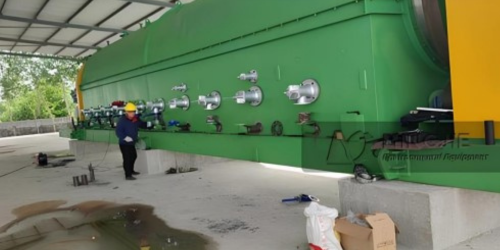
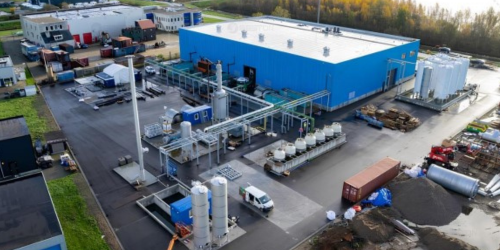
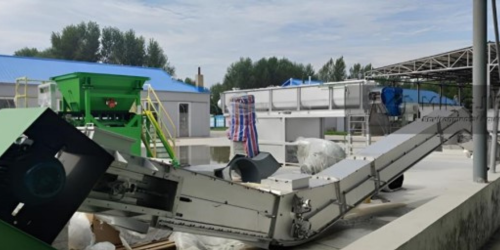
The Plant
The pilot plant will operate with a processing capacity of 60 tons of plastic waste per day, representing an estimated daily production of:
- 36,000 liters of fuel (Biodiesel) per day;
- 30 tons of black coal;
- 100 to 150 m3 of reusable gas.
EVOLUTION AND EXPANSION PROSPECTS ULTIMATELY
Our project envisages a gradual increase in processing capacity, from 60 tons to 120 tons/day and more depending on demand and available resources. An extension to other cities could also be considered in a later phase. Our project represents a strategic opportunity to transform an environmental problem into a viable and sustainable economic activity. Thanks to an innovative approach and proven technology, it offers high profitability potential while having a positive impact on waste management and the energy transition.
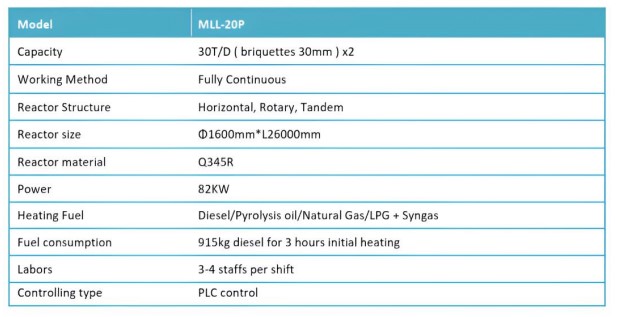
PARAMETERS OF A PYROLYSIS PLANT
PROJECT OBJECTIVE
The project aims to reduce the environmental impact of plastic waste while generating economic opportunities through the production of alternative fuels and the creation of sustainable jobs.
SPECIFIC OBJECTIVES
1. Reduction of plastic waste: Significantly reduce the amount of plastics present in the urban environment and improve the cleanliness of the city;
2. Energy recovery of plastics: Transform plastic waste into fuels (BioDiesel, gas) and reusable black coal in various industries;
3. Job creation and stimulation of the local economy:
Generate direct and indirect jobs in waste collection,
transport, processing and marketing of finished products;
4. Reduction of energy dependence: Offer a local alternative
to imported fossil fuels, thus contributing to the country’s
energy security;
5. Awareness and community engagement: Encourage the
local population and businesses to adopt an eco-
responsible approach to plastic waste management.
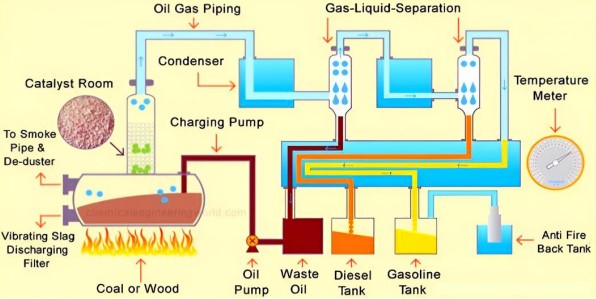
ADVANTAGE OF TECHNOLOGY
As advantages of Pyrolysis Technology we have: Massive reduction of plastic waste by transforming harmful waste into a useful resource; Production of alternative fuels at a lower cost compared to imports; Circular economy: Use of solid residues (black coal) for industrial and agricultural applications; Low carbon footprint compared to conventional plastic processing methods.
CONCLUSION
The business case confirms that this project is extremely profitable, with a return on investment in less than two years. Compared to other similar projects in Africa, it presents very attractive financial indicators, largely due to its optimized supply model and strong demand for pyrolysis fuels.